

cropper
update
Clean Beauty Space
update
  • Home
  • Categories
    • Skincare
    • Ingredient Insights
    • Expert Interviews
    • News and Trends
    • Stores In The Spotlight
    • Spas to Explore
    • Clean Beauty
    • Innovations
    • Extra News
    • Featured
November 06.2026
3 Minutes Read

How Beiin is Revolutionizing Body Care with Affordable Quality

Shop Good Founder Takes Beiin To Credo With Body Care “Priced For Replenishment”

How Beiin Redefines Everyday Body Care

In today’s beauty landscape, accessibility and quality often seem at odds, but Leah Kirpalani is bridging that gap with her new body care brand, Beiin, recently launched at Credo stores.

Pioneering a New Aesthetic in Body Care

Curating exceptional body care products is part of Kirpalani’s DNA. Drawing from her experience at Shop Good, she identified a distinct need among customers for luxurious yet affordable body care. “I wanted to create a product that both felt amazing, looked amazing on the counter, but that was priced for replenishment,” she explains. With products ranging from $28 to $42, Beiin’s pricing reflects an intention to make quality care routine rather than a treat reserved for special moments.

The Power of Consumer Insights

Kirpalani’s approach isn’t just creative; it’s informed by real shopper behavior. After observing countless customers always scrutinizing prices and sizes, she realized that many people felt frustrated by the high prices of quality body care. “I was so frustrated with customers coming in wanting to buy a decent, hefty-size body wash without spending an arm and a leg,” she recalls. This insight pushed her to create Beiin to meet both quality and price expectations, making luxurious products accessible for daily use.

Competing with the High-End Market

In a market filled with expensive options, Beiin positions itself as a strong contender by offering a compelling product line that insists on high standards without the steep price tag. According to industry reports, the prestige body care category is experiencing vigorous growth. For instance, Circana revealed that sales in this segment rose by 16% in the first half of 2026, surpassing the prestige skincare growth rate of only 9%.

Community Engagement Matters

Kirpalani is not simply a product creator; she is deeply connected to the community she serves. Credo’s co-founder, Annie Jackson, highlights this connection, stating, “Leah listens to her loyal community and understands what they are looking for in body products.” This engagement allows Beiin to continually evolve and meet the needs of today's discerning consumers who actively seek transparency about ingredients and sustainability.

Actualizing Sustainable Business Models

Heading into 2027, the trend of integrating sustainability into business practices is more critical than ever. Consumers are leaning towards brands that not only provide quality but also prioritize eco-friendly practices and ethical sourcing. Kirpalani's philosophy focuses on making good choices—affordable, effective, and responsible body products that consumers can feel great about using every day.

A Future Focused on Inclusivity

As Beiin continues to expand, Kirpalani predicts a focus on increasing marketing efforts and product assortment. This growing brand aims to bring a more inclusive approach to body care, proving that beauty doesn’t have to be elitist. With the likes of Beiin setting a new standard, we can expect more brands will aim to provide premium experiences without the premium price.

In summary, Leah Kirpalani’s Beiin brand is not just about body wash and lotion; it champions representing accessibility, community input, and quality. For those conscious consumers out there, it’s a refreshing change that lets us indulge in delectable body care regularly without guilt.

Take Action Today!

Explore Beiin’s products today at Credo and discover how premium body care can fit into your everyday routine—because everyone deserves a little luxury without the luxury price tag!
Skincare

0 Views

0 Comments

Write A Comment

*
*
Please complete the captcha to submit your comment.
Related Posts All Posts
11.07.2026

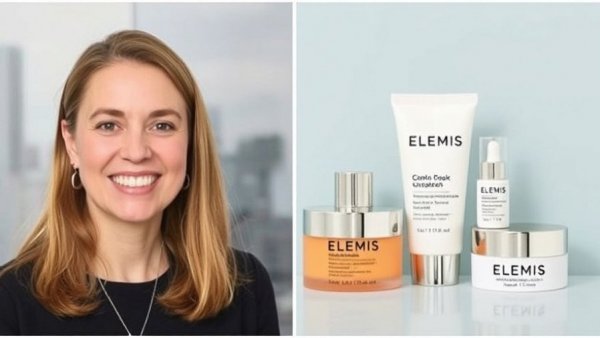
Elemis Co-Founder Shares Insights on the Evolving Beauty Market Trends

Update Beauty Mergers & Acquisitions: What's Driving Change? The beauty industry is in a phase of significant transition, especially when it comes to mergers and acquisitions. Sean Harrington, co-founder of Elemis, has witnessed multiple high-profile deals, including its sale to private equity firm PAI Partners. This evolving landscape reflects not just the financial metrics behind such transactions, but also shifting consumer demands. Today’s buyers are increasingly interested in companies that align with a holistic view of beauty that intertwines wellness and health, marking a departure from traditional luxury indicators. The Mid-Market Opportunity: Untapped Potential According to Alice Wells of Lempriere Wells Harrington, the focus on mid-market deals is hardly coincidental. Businesses valued between $30 million and $300 million present opportunities for value creation and growth. The larger players, already entrenched in global markets, often overlook these mid-sized companies, which are ripe for investment and innovation. Startups often make the critical mistake of overextending themselves by committing to numerous international distributors, a move that can overwhelm their operations before they gain solid footing in their core markets. Shifting Consumer Priorities: Redefining Success In the world of beauty and wellness, what was once a luxurious handbag or high-end product has evolved into personal achievements like being able to do a chin-up. This cultural shift indicates that today’s consumers are looking for brands that promote overall well-being, as opposed to solely focusing on vanity. The rise of clean beauty products—which emphasize natural ingredients and transparent sourcing—plays a key role here, prompting brands to reevaluate their values and product offerings. What Founders Need to Know: Preparing for Transition Harrington emphasizes the importance of early engagement for founders considering a sale. By connecting with investment firms such as theirs early in the development process, businesses can avoid common pitfalls. Many entrepreneurs initially think they can take on the world, only to find themselves overwhelmed. The key takeaway is that informed decisions during development can lead to sustainable growth, making your brand more appealing when it’s time to consider a sale. The Future Landscape of Beauty Deals The beauty market is projected to undergo even more transformation as it navigates new consumer preferences and economic conditions. International markets, especially in Asia, are expected to reinvigorate investment interest, while an emphasis on sustainability will further define the trajectory of beauty brands. As Harrington and Wells explore these trends, they remain focused on connecting innovative mid-market companies with strategic investors eager to capitalize on this changing environment. Concluding Thoughts: Will You Join the Movement? The beauty sector is on the brink of a revolution, pushing brand owners to align their products with the values of today’s conscious consumers. Understanding and adapting to these trends will only enhance the appeal of your brand when pursuing deals and collaborations. As we move forward, consider how your values intersect with those of your consumers. Are you ready to embrace this evolution?

11.05.2026

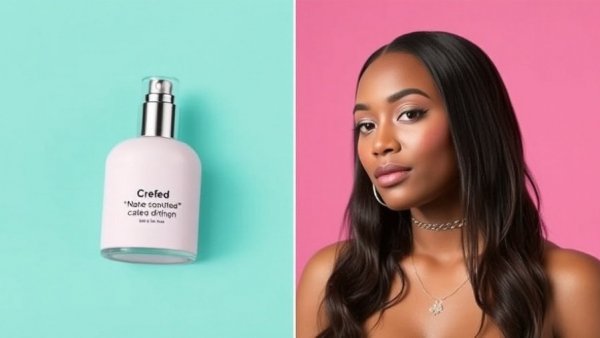
How the TikTok Dupe Debate Could Reshape Luxury Fragrance Sales

Update The Social Media Dupe Debate Takes Center Stage As social media platforms continue to influence consumer behavior, a significant battle is unfolding on TikTok that highlights the tension between luxury brands and content creators. The distributor of high-end fragrances is facing mounting backlash over its attempts to silence creators who compare expensive perfumes to more affordable alternatives. The controversy revolves around the legal and ethical implications of fragrance dupes, with many consumers caught in the crossfire. The Rise of Dupes in Beauty Culture Luxury fragrance dupes, which allow consumers to enjoy similar scents at a fraction of the price, have seen a meteoric rise in popularity. According to market research firm Circana, 51% of beauty buyers have indulged in purchasing a dupe, with fragrances representing 15% of these purchases. This shift illustrates a longing for luxury without the hefty price tag, as brands like Sol de Janeiro and Glow Recipe emphasize the accessibility of beauty products. The Risks of Intellectual Property Complaints In an aggressive move, Nobilis Group, the distributor behind brands like Creed, has been reporting TikTok creators to the platform for what they allege are violations of intellectual property rights, leading to account suspensions. Franconian fragrance creator Noel Deyzel and another TikTok personality, Patrón Profumo, have both lost access to their accounts, as Nobilis claims their content amounts to comparative advertising, which they argue is illegal. However, many creators contend that they are merely providing legitimate reviews. Deyzel has publicly expressed his discontent, announcing his decision to cut ties with the brands he no longer wishes to promote. As the boomerang effect of these complaints potentially harms Nobilis’ sales, the controversy raises important questions about the balance of protecting intellectual property and allowing creative expression in the realm of social media. The Power of TikTok in Shaping Consumer Choices TikTok has emerged as a pivotal platform in the beauty industry, significantly influencing sales and consumer perceptions. The conflict over fragrance dupes highlights how platforms can empower individuals and serve as a stage for dialogue about consumer rights, brand ethics, and creative freedom. It seems that the platform's robust user engagement has positioned it as a critical battleground for luxury brands, which are now grappling with changing expectations among their clientele. Future Trends: Navigating the Dupe Landscape As the conversation around fragrance dupes continues, businesses will need to adapt to the evolving dynamics between luxury branding and consumer accessibility. While the legalities of comparative advertising remain to be clarified, brands may find themselves needing to embrace transparency and authenticity to build loyalty among an audience that is increasingly value-driven. The rise of dupes reveals not just a shift in spending behaviors but also a cultural evolution in how consumers perceive worth in the beauty industry. While brands like Nobilis navigate these choppy waters, consumers may need to consider the broader implications of their purchasing behaviors. As dupes proliferate, should buyers feel guilty about opting for alternative fragrances, or can they celebrate their savvy shopping choices? The allure of high-end scents may persist, but the desire for affordability is reshaping the industry landscape. In conclusion, the fragrance dupe debate on TikTok is more than just a series of account suspensions; it encapsulates the complex relationship between luxury brands and their consumers. With both sides standing firm, the outcome of this battle will likely have lasting implications for the beauty industry, fueled by an engaged audience that seeks connection, value, and authenticity.

11.05.2026

How Beauty Sales are Shaping the Future of the Travel Retail Market

Update The Beauty Industry and Travel Retail: A Growing Connection The global travel retail market, valued at an impressive $76 billion, is making a gradual recovery after experiencing a downturn in 2025, where sales dipped by 7% due to sluggish growth in the Asia Pacific region. This rebound is particularly significant for the beauty industry, which accounts for nearly a third of travel retail sales. However, as the industry adapts to a new landscape of consumer behavior, beauty brands are confronted with numerous challenges that could affect their profitability and relevance. Understanding the Shift in Traveler Demographics The demographic landscape of travelers is changing, with Gen Z and millennials representing 39% of all travelers as of last year. This younger cohort is not only tech-savvy but is also less inclined to shop at traditional airport retail outlets. To appeal to this group, beauty brands must rethink their strategies by offering unique shopping experiences and exclusive products that resonate with these consumers' preferences. Understanding this shift is critical, as predictions indicate that these younger generations will account for 50-60% of all travelers by 2035. Geopolitical Factors Impacting Travel Preferences The ongoing geopolitical unrest, particularly in regions like the Middle East, has complicated the travel retail market. Industry leaders like L’Oréal have reported significant sales declines in these areas, with Estée Lauder observing similar trends. This underscores how external events can rapidly alter passenger traffic and spending habits. The beauty industry must remain agile in adapting to these fluctuating conditions to minimize impact. Digital Competition and Its Effects on Retail Patterns With the rise of online shopping platforms such as Amazon, Rakuten, and Tmall, consumer shopping habits are rapidly evolving. Even though the number of travelers has surpassed pre-pandemic levels, retail revenue per passenger remains over 20% lower than before. This suggests that while foot traffic is high, actual spending in travel retail is lagging. Brands must explore innovative ways to blend the convenience of online shopping with the allure of in-person experiences to retain their consumer base. Opportunities for Growth in Asia Pacific Encouragingly, recent reports indicate that travel retail sales in Asia Pacific are on the rise, with Hainan showing particularly strong growth. Skincare remains the top category, representing about 45% of beauty sales, followed closely by fragrance. According to travel retail market intelligence from Generation Research, understanding regional preferences is crucial, as fragrance sales lead across other regions outside Asia. Conclusion: Navigating the Future of Travel Retail To remain competitive, beauty companies must adapt to the evolving retail landscape by creating captivating and tailored experiences for consumers. Providing exclusive products alongside unique interactions will help capture the attention of both seasoned travelers and the digitally-oriented young generation. As travel continues to recover, the challenge lies in balancing traditional retail practices with innovative approaches to meet modern demands. Understanding consumer behavior is key; the beauty industry must be prepared to adapt and thrive in this changing environment. For those interested in learning more about how the beauty industry can continue to innovate and succeed within the travel retail market, stay informed and proactive about trends. The challenges presented are significant, but with thoughtful strategies, there’s a bright future ahead for this vibrant industry.

cropper
update
CLEAN BEAUTY SPACE
cropper
update

Clean Beauty Space
c/o PowerDialog
13575 58th St N #304,
Clearwater, FL 33760

  • update
  • update
  • update
  • update
  • update
  • update
  • update

COMPANY

  • Privacy Policy
  • Terms of Use
  • Advertise
  • Contact Us
  • Menu 5
  • Menu 6

ABOUT US

Clean Beauty Space
c/o PowerDialog
13575 58th St N #304, Clearwater, FL 33760

© 2026 CompanyName All Rights Reserved. Address . Contact Us . Terms of Service . Privacy Policy

Terms of Service

Privacy Policy

Core Modal Title

Sorry, no results found

You Might Find These Articles Interesting

T
Please Check Your Email
We Will Be Following Up Shortly
*
*
*