


The Social Media Dupe Debate Takes Center Stage
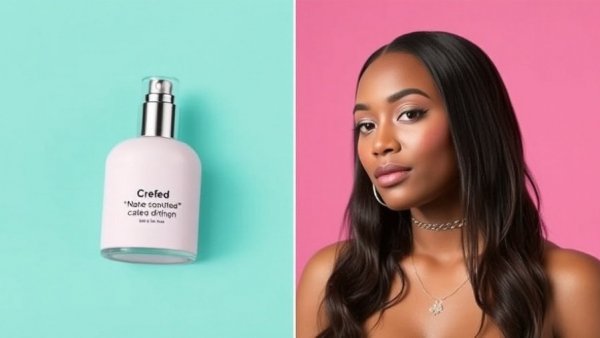
As social media platforms continue to influence consumer behavior, a significant battle is unfolding on TikTok that highlights the tension between luxury brands and content creators. The distributor of high-end fragrances is facing mounting backlash over its attempts to silence creators who compare expensive perfumes to more affordable alternatives. The controversy revolves around the legal and ethical implications of fragrance dupes, with many consumers caught in the crossfire.
The Rise of Dupes in Beauty Culture
Luxury fragrance dupes, which allow consumers to enjoy similar scents at a fraction of the price, have seen a meteoric rise in popularity. According to market research firm Circana, 51% of beauty buyers have indulged in purchasing a dupe, with fragrances representing 15% of these purchases. This shift illustrates a longing for luxury without the hefty price tag, as brands like Sol de Janeiro and Glow Recipe emphasize the accessibility of beauty products.
The Risks of Intellectual Property Complaints
In an aggressive move, Nobilis Group, the distributor behind brands like Creed, has been reporting TikTok creators to the platform for what they allege are violations of intellectual property rights, leading to account suspensions. Franconian fragrance creator Noel Deyzel and another TikTok personality, Patrón Profumo, have both lost access to their accounts, as Nobilis claims their content amounts to comparative advertising, which they argue is illegal.
However, many creators contend that they are merely providing legitimate reviews. Deyzel has publicly expressed his discontent, announcing his decision to cut ties with the brands he no longer wishes to promote. As the boomerang effect of these complaints potentially harms Nobilis’ sales, the controversy raises important questions about the balance of protecting intellectual property and allowing creative expression in the realm of social media.
The Power of TikTok in Shaping Consumer Choices
TikTok has emerged as a pivotal platform in the beauty industry, significantly influencing sales and consumer perceptions. The conflict over fragrance dupes highlights how platforms can empower individuals and serve as a stage for dialogue about consumer rights, brand ethics, and creative freedom. It seems that the platform's robust user engagement has positioned it as a critical battleground for luxury brands, which are now grappling with changing expectations among their clientele.
Future Trends: Navigating the Dupe Landscape
As the conversation around fragrance dupes continues, businesses will need to adapt to the evolving dynamics between luxury branding and consumer accessibility. While the legalities of comparative advertising remain to be clarified, brands may find themselves needing to embrace transparency and authenticity to build loyalty among an audience that is increasingly value-driven. The rise of dupes reveals not just a shift in spending behaviors but also a cultural evolution in how consumers perceive worth in the beauty industry.
While brands like Nobilis navigate these choppy waters, consumers may need to consider the broader implications of their purchasing behaviors. As dupes proliferate, should buyers feel guilty about opting for alternative fragrances, or can they celebrate their savvy shopping choices? The allure of high-end scents may persist, but the desire for affordability is reshaping the industry landscape.
In conclusion, the fragrance dupe debate on TikTok is more than just a series of account suspensions; it encapsulates the complex relationship between luxury brands and their consumers. With both sides standing firm, the outcome of this battle will likely have lasting implications for the beauty industry, fueled by an engaged audience that seeks connection, value, and authenticity.




Write A Comment